Source heart shape tiger eye bracelet for Gifts, Decor, and Health
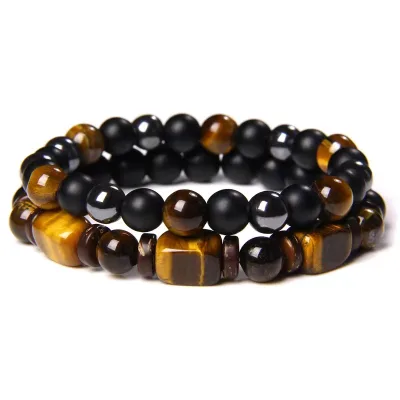
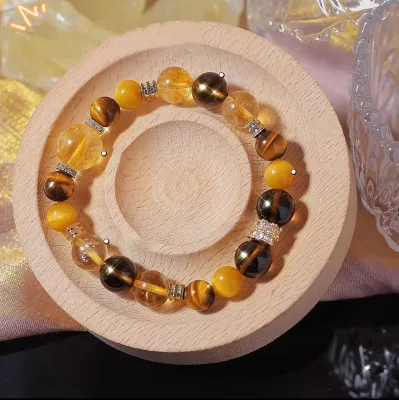
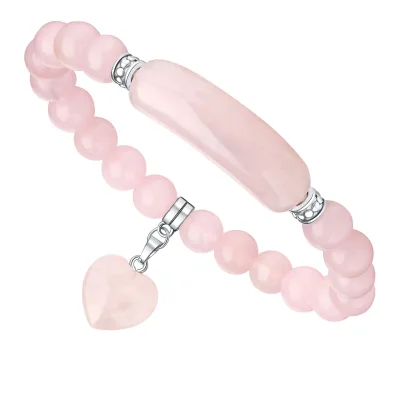
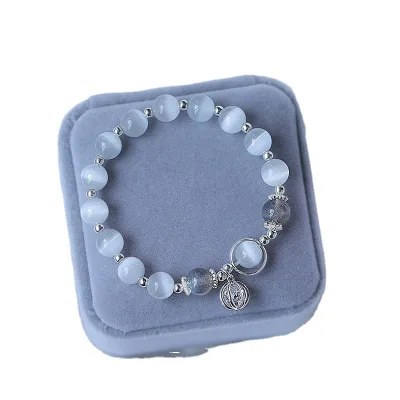
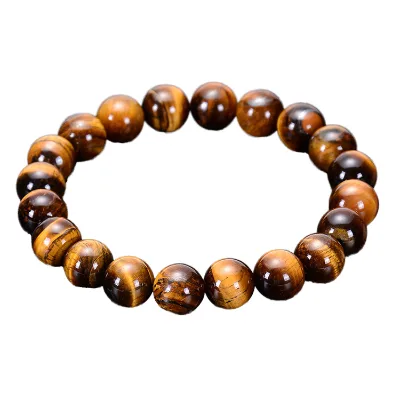
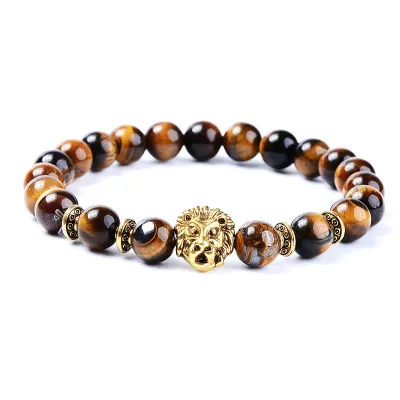
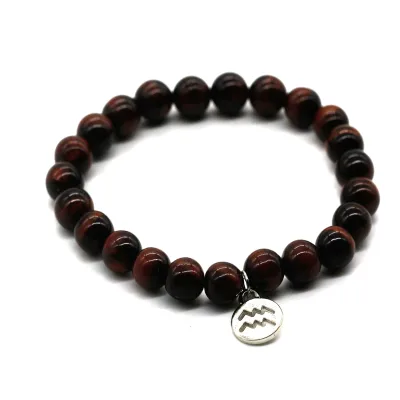
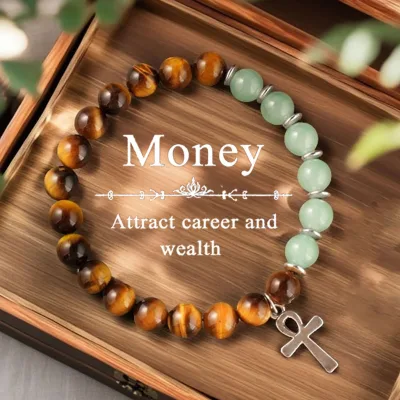
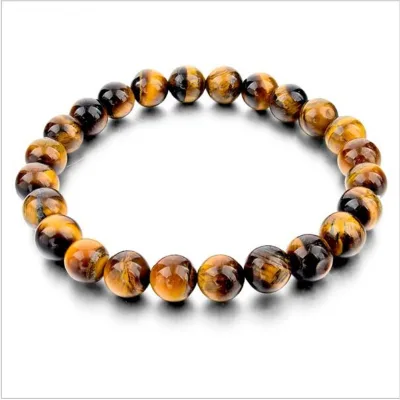
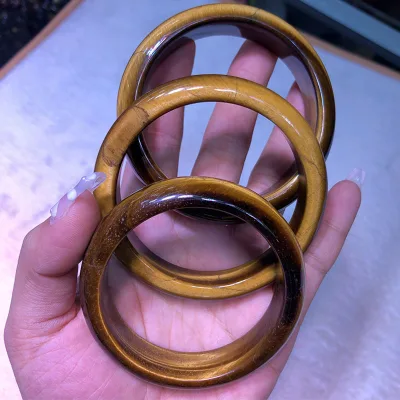
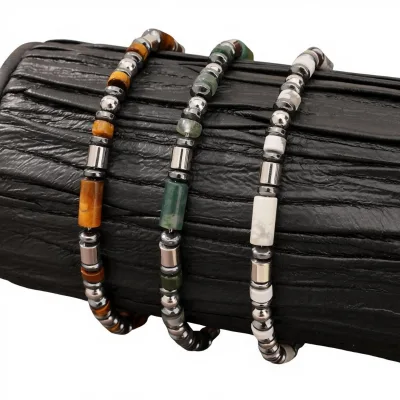
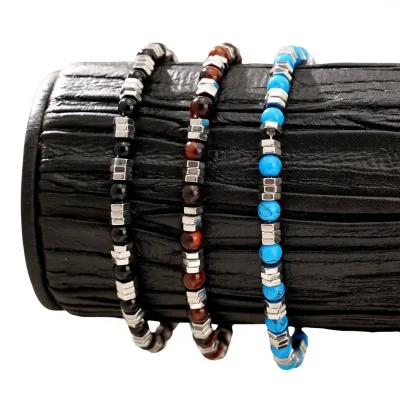
Compare 30 listings for the heart shape tiger eye bracelet, featuring natural crystal materials and elastic line clasps. Buyers can evaluate customization options, MOQs, and lead times for informal occasions and promotional gifts; compare the available evidence and request quotations based on your requirements.
Key considerations
Products List









Comprehensive Sourcing Guide
Heart Shape Tiger Eye Bracelet Sourcing Guide
Sourcing heart-shaped tiger eye bracelets requires a nuanced understanding of both the aesthetic appeal of the stone and the structural integrity of the setting. Tiger eye is a chatoyant gemstone known for its golden-brown hues and silky luster, making it a popular choice for fashion jewelry that bridges casual wear and semi-formal occasions. Buyers must recognize that while the stone is durable, the specific cut into a heart shape can introduce stress points if not executed with precision. This guide focuses on verifying material authenticity, ensuring secure settings, and managing supply chain risks associated with natural stone variations.
The procurement process for these items often involves balancing customization requests with standard inventory availability. Many suppliers offer OEM and ODM services, allowing brands to incorporate specific logo designs or packaging requirements. However, the natural origin of tiger eye means that color consistency and banding patterns will vary from piece to piece. Procurement teams should establish clear acceptance criteria for these natural variations to avoid disputes during quality inspection. Understanding the difference between solid tiger eye and treated or composite stones is critical for maintaining brand integrity and customer satisfaction.
Product Scope and Observed Listing Signals
Market listings for heart-shaped tiger eye bracelets frequently highlight their suitability for informal occasions, parties, and weddings, positioning them as versatile accessories. Observed product attributes often include elastic line clasps, which provide a universal fit for various wrist sizes, enhancing their appeal as gift items. The design is typically categorized under fashion and creative styles, with a focus on decoration and promotional gifting. Buyers should note that while some listings claim health benefits, these are marketing assertions rather than verified medical claims, and procurement decisions should be driven by aesthetic and commercial value.
Inventory signals indicate a wide range of customization options, with many suppliers accepting logo and graphic design requests. The observed price range suggests a competitive market, but buyers must look beyond the unit cost to understand the total landed cost. Packaging methods vary, with some suppliers using simple OPP bags while others offer more robust carton packing for bulk orders. The presence of adjustable sizing features in some listings indicates a trend toward user-friendly designs that reduce return rates due to fit issues. Procurement teams should verify if the heart shape is carved from a single stone or assembled from multiple pieces, as this affects durability and perceived value.
Technical Specifications to Verify
Verifying the physical dimensions and material composition is the first step in technical due diligence. Buyers must confirm the exact diameter of the tiger eye beads or the size of the heart-shaped centerpiece, as specifications can range from small accent stones to larger focal points. The chain type is often a beaded bracelet structure, but the clasp mechanism needs close inspection. Elastic lines are common for ease of wear, but they degrade over time and may require replacement. For higher-end pieces, metal findings or secure knotting techniques should be verified to ensure the bracelet does not fail during normal use.
Weight and density are critical indicators of material quality. Natural tiger eye has a specific gravity that distinguishes it from glass or plastic imitations. Buyers should request the single gross weight and compare it against industry norms for the stated size. Additionally, the standard length of the bracelet, often around 18cm to 19cm, must be confirmed to ensure it fits the target demographic. The shape pattern is specified as round or heart-shaped, but the precision of the cut affects the overall aesthetic. Procurement teams should ask for detailed technical drawings or CAD files if customizing the heart shape to ensure the proportions meet brand standards.
Compliance and Safety Documentation
Safety compliance is paramount when sourcing jewelry that comes into direct contact with skin. Buyers must ensure that all metal components, such as clasps or spacers, are free from harmful substances like lead, cadmium, and nickel. While tiger eye itself is a natural stone, the adhesives or coatings used in composite versions may contain volatile organic compounds. Suppliers should provide material safety data sheets (MSDS) for any treated stones or assembled components. Verification of compliance with regional regulations, such as REACH in Europe or CPSIA in the United States, is essential to prevent customs holds and product recalls.
Labeling and traceability requirements also fall under compliance. Products must be accurately labeled with material composition, country of origin, and care instructions. Buyers should verify that the supplier provides clear care guidelines, such as avoiding exposure to harsh chemicals and perfumes, which can damage the stone’s luster or the setting. Documentation should also include any relevant testing reports from accredited laboratories. For heart-shaped designs, structural integrity testing may be necessary to ensure that the pointed edges do not pose a snagging hazard or break easily under tension.
Cost Drivers and Commercial Terms
The cost of heart-shaped tiger eye bracelets is influenced by several key factors, including the quality of the stone, the complexity of the cut, and the type of findings used. High-quality tiger eye with strong chatoyancy and minimal inclusions commands a premium price. The heart shape requires more material waste during the cutting process compared to round beads, which can increase unit costs. Buyers should also consider the cost of customization, such as logo engraving or custom packaging, which often involves setup fees and higher minimum order quantities (MOQs).
Commercial terms vary significantly among suppliers, with lead times ranging from a few days for stock items to several weeks for custom orders. Buyers must clarify whether the quoted price includes packaging, shipping, and any applicable taxes. MOQs can be as low as ten pieces for customized items but may be higher for standard stock. Payment terms should be negotiated to mitigate risk, with options like letters of credit or escrow services providing security for larger orders. Understanding the total cost structure, including potential duties and logistics fees, is crucial for accurate margin calculation and pricing strategy.
Supplier Qualification and Quality Control
Supplier qualification begins with verifying their manufacturing capabilities and quality management systems. Buyers should assess whether the supplier has in-house cutting and polishing facilities or if they outsource these processes, as this affects lead times and quality control. Experience in producing heart-shaped stones is a key indicator of technical proficiency, as this shape is more challenging to produce than standard rounds. Suppliers should provide references or case studies demonstrating their ability to handle similar fashion jewelry orders.
Quality control protocols must be clearly defined before production begins. Buyers should establish a detailed inspection plan that includes visual checks for stone quality, structural integrity of the setting, and accuracy of dimensions. A pre-shipment inspection is recommended to verify that the goods match the approved sample. Suppliers should have a clear process for handling defective items, including replacement or refund policies. Regular communication and site audits, if feasible, can help build a reliable supply chain and ensure consistent quality over time.
Long-Term Procurement Checks
Long-term procurement success depends on continuous monitoring of supplier performance and market trends. Buyers should track key performance indicators such as on-time delivery rates, defect rates, and responsiveness to issues. Regular reviews of supplier financial stability and operational capacity can help anticipate potential disruptions. Staying informed about changes in consumer preferences, such as shifts in popular stone colors or design styles, allows for proactive inventory management and product development.
Sustainability and ethical sourcing are increasingly important considerations for modern buyers. Procurement teams should inquire about the supplier’s practices regarding responsible mining and environmental impact. Building a long-term relationship with a reliable supplier can lead to better pricing, priority production slots, and collaborative innovation. Regular feedback loops between the buyer and supplier can drive continuous improvement in product quality and service levels, ensuring that the heart-shaped tiger eye bracelets remain competitive in the market.
FAQs
What materials are used for the heart shape tiger eye bracelet?
The bracelet is crafted from natural crystal and stone materials. It features beads formed from natural crystals to ensure authenticity. Buyers should avoid harsh chemicals and perfumes to maintain the stone quality and appearance over time.
Can I customize the design of this crystal bracelet?
Customization is available for this product line. Buyers can request specific logo or graphic designs to meet their branding needs. The product supports OEM and ODM services to accommodate unique design requirements for various occasions.
What is the lead time for stock availability?
The lead time is typically 3 to 8 days if stock is available. This rapid turnaround applies to standard orders without complex customization. Buyers should confirm current stock levels before placing large orders to ensure timely delivery.
Which packaging options are provided for the bracelet?
Packaging options include cartons or OPP bags with master cases. The single package size is approximately 20 by 20 by 15 cm. These options ensure safe transport and presentation for gifts, shopping, or promotional events.
What is the minimum order quantity for this item?
The minimum order quantity is 10 pieces for certain models. Some listings may allow orders starting from 1 piece depending on stock. Buyers should verify the specific MOQ for their chosen model number before finalizing the purchase.
Where is the product origin located?
The product originates from China, specifically Guangdong and Zhejiang provinces. These regions are known for manufacturing crystal jewelry. Buyers can expect consistent quality standards aligned with the specified product models and materials.
What occasions are suitable for wearing this bracelet?
This bracelet is suitable for informal occasions, parties, weddings, and clubs. It serves as a decoration, health accessory, or gift for anniversaries and engagements. The design fits various styles including creative and fashion-forward looks.